
AI Search Engine Optimization (AI SEO)

AI Search Engine Optimization (AI SEO)

AI Search Engine Optimization (AI SEO)

AI Search Engine Optimization (AI SEO)

AI Search Engine Optimization (AI SEO)

What is AI Search Engine Optimization?

AI Search Optimization (AI SEO) is the process of optimizing your website, brand content, and digital presence so AI-powered search engines can understand, trust, and reference your business.

Unlike traditional SEO—which focuses on rankings and clicks—AI SEO focuses on discoverability inside AI-generated answers. That means helping your business become understandable to AI systems and citable in AI-generated responses.

Changing Visitor Behaviors

Visitors now enter a detailed question when using a search engine (Google, Bing, etc.) or an AI service (ChatGPT, Claude, Gemini etc.) instead of a simple search phrase. A staggering 70-90% of all search queries are full questions instead of just keywords! Trust has now shifted toward summarized, authoritative answers.

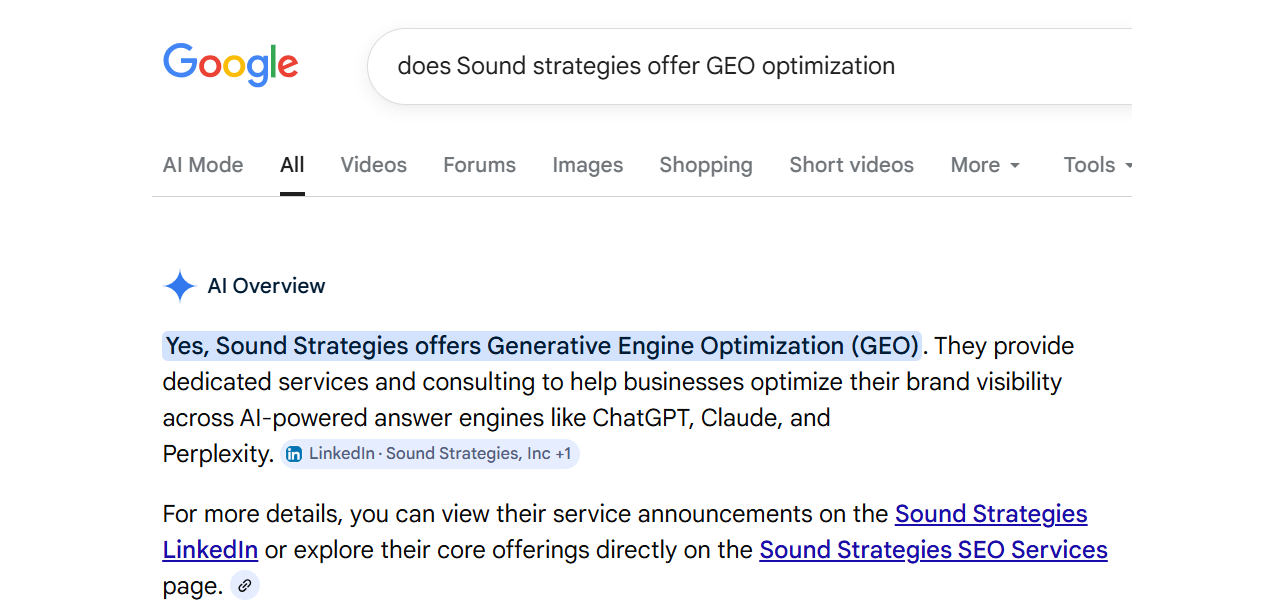
The AI result always appears first and includes one or more clickable links (citations) as follows:

In summary, AI Search Engine Optimization is the process that encourages the Chatbot crawlers to index the website content so that it can appear in the AI result. The AI result appears in search engine results and also in responses to question when using an AI service (ChatGPT, Gemini, Claude, etc.).

SEO vs AI SEO — What Has Changed and Why It Matters

Traditional SEO is about ranking web pages in search results. AI  Search Engine Optimization (AI SEO) is about becoming the source AI uses to generate answers. AI services like ChatGPT, Google Gemini, and Perplexity don’t just show a list of links, they summarize information gathered from trusted websites and provide the best possible answer.

Businesses that adapt early will:

  • Capture more high-intent visibility
  • Build stronger authority
  • Increase conversions
  • Provide the best possible visitor experience
  • Stay ahead as traditional rankings become less dominant

Our Process

Technical Implementation & Content Adjustments

Once we have completed the technical audit, our roadmap will lay out exactly what needs to be completed. Our suite of plugins expedite the content adjustments and schema markup. The timeline of this process depends on our findings and quantity of pages on your site.

Objectives

We will create a structured approach to position your WordPress website as a trusted, citable source within AI-driven search ecosystems — increasing visibility, authority, and inbound demand. There is no one-size-fits-all approach to AI Search Engine Optimization.

There are core functionalities that must be addressed to make sure AI engines can properly access and index your site. There are 2 phases in this process to make sure the following 3 things happen:

  • Increase visibility in AI-generated search results through technical changes to the structure of your website.
  • Improve structured data and content for AI ingestion. Content must be in Q&A format for AI engines to properly ingest & utilize.
  • Drive qualified traffic through high-intent queries

Technical Audit

There is no one-size-fits all cost to making a website appear in AI search results. There are many variables that need to be addressed, including your robots.txt setup, sitemap submission, site load time, schema markup, Author Authority (EEAT) signals, llms.txt file, keyword & heading strategy, and the FAQ formatting. The time it takes to make sure your site is compliant largely depends on how it was built. We will review your site and provide a roadmap to address all the necessary items to make sure your site is properly optimized for AI search.

Rank Tracking

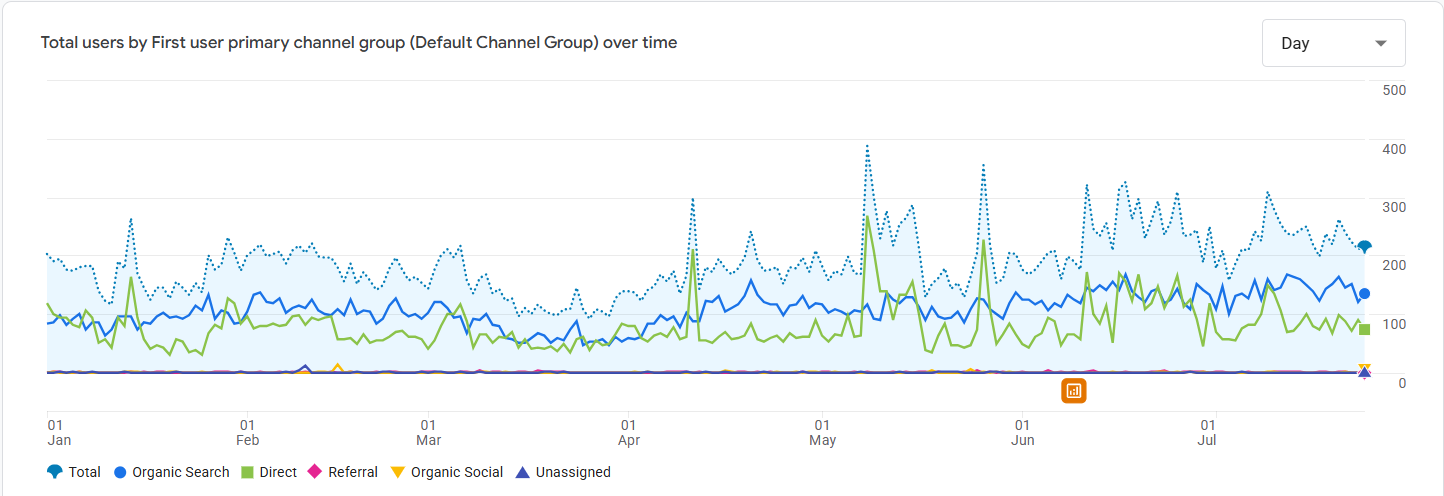
It is critical that we can track your site’s rank. This is setup in Phase 1. The data will show us queries and clicks via AI results. This will allow us to tailor content and make any necessary adjustments to your site.

Frequently Asked Questions

AI Search Engine Optimization (AI SEO) is the process of optimizing your website, brand content, and digital presence so that AI-powered search engines can understand, trust, and reference your business in AI-generated answers. Unlike traditional SEO, which focuses on rankings and clicks, AI SEO aims to improve discoverability within AI responses by making your content understandable and citable by AI systems.

Traditional SEO focuses on ranking web pages in search engine results to drive clicks, while AI SEO focuses on becoming a trusted source that AI systems use to generate summarized answers. AI SEO prioritizes discoverability within AI-generated responses rather than just improving rankings on search engine results pages.

AI SEO is important because visitor behavior has shifted towards asking detailed questions and trusting summarized, authoritative AI answers. Businesses that adapt early to AI SEO can capture more high-intent visibility, build stronger authority, increase conversions, and stay ahead as traditional search rankings become less dominant.

Visitors now tend to enter full, detailed questions rather than simple keywords when searching. Approximately 70-90% of all search queries are full questions. This shift has led to trust moving towards summarized, authoritative answers provided by AI-powered search engines and chatbots.

The AI SEO process typically involves two main phases: first, a technical audit and estimate to identify necessary changes; second, technical implementation and content adjustments including schema markup and Q&A content formatting. These phases ensure the website is structured for AI indexing and optimized for AI-generated search results.

The technical audit reviews several elements including robots.txt setup, sitemap submission, site load time, schema markup, Author Authority (EEAT) signals, llms.txt file, keyword and heading strategy, and FAQ formatting. These factors influence how well AI engines can access, understand, and index the website.

AI SEO improves content by structuring it in a Q&A format that AI engines can easily ingest and utilize. This structured data and content formatting help AI systems understand the context and relevance of the information, making it more likely to be cited in AI-generated answers.

Rank tracking is critical in AI SEO to monitor how your site performs in AI-generated search results. It provides data on queries and clicks from AI results, allowing for tailored content adjustments and optimization to improve visibility and effectiveness within AI search ecosystems.

While AI SEO principles apply broadly, the ease and cost of implementation depend on how the website was built. Platforms like WordPress can benefit from specialized plugins and structured approaches, but technical audits are necessary to identify platform-specific adjustments required for AI optimization.

Businesses that implement AI SEO can expect increased visibility in AI-generated search results, stronger authority as a trusted source, higher conversion rates, and an improved visitor experience. Early adoption also helps businesses stay competitive as AI-driven search becomes more dominant.